What I Learned About Moving Well While Pregnant — No Gym Required
Pregnancy changes everything — how you sleep, eat, and move. I used to think exercise during pregnancy meant slow walks or avoiding movement altogether. But after trying safe, intentional techniques, I felt stronger, more balanced, and more connected to my body. This isn’t about intense workouts — it’s about smart, gentle movement that supports both you and your baby. Let’s explore how the right exercises can make a real difference.
Why Movement Matters More Than Ever During Pregnancy
Pregnancy is one of the most transformative experiences a woman can go through, and it brings profound changes to the body’s structure, function, and energy systems. Hormones like relaxin increase joint flexibility, the center of gravity shifts forward as the uterus expands, and blood volume rises significantly to support fetal development. These adaptations, while natural, can lead to discomforts such as lower back pain, pelvic pressure, swelling, and fatigue. Yet, rather than retreating into inactivity, research consistently shows that staying physically active during pregnancy offers powerful benefits.
According to guidelines from the American College of Obstetricians and Gynecologists (ACOG), most pregnant women should aim for at least 150 minutes of moderate-intensity aerobic activity each week, spread over several days. This level of movement has been linked to reduced risk of gestational diabetes, lower incidence of preeclampsia, improved cardiovascular health, and better weight management. Equally important are the everyday benefits: enhanced circulation helps reduce swelling in the legs and feet, stronger muscles support proper posture, and regular movement can ease constipation — a common complaint during pregnancy.
Mental well-being is another critical area where movement makes a measurable difference. Hormonal fluctuations can affect mood, and many expectant mothers experience anxiety or low energy. Physical activity stimulates the release of endorphins and serotonin — brain chemicals associated with improved mood and reduced stress. Women who remain active often report feeling more in control, more grounded, and more resilient emotionally. Movement becomes not just physical maintenance, but a form of self-care.
The idea that pregnancy requires stillness is outdated. In fact, the opposite is true: intentional movement helps the body adapt more smoothly to each stage of pregnancy. When approached with awareness and safety, exercise strengthens the very systems that will be called upon during labor and delivery. It prepares the cardiovascular system for increased demands, improves endurance, and enhances body awareness — all of which contribute to a more confident and capable pregnancy journey.
Common Myths That Keep Pregnant Women Still
Despite growing evidence supporting prenatal exercise, many women hesitate to move because of deeply ingrained myths. One of the most persistent beliefs is that pregnancy is a time to “take it easy” and avoid any physical strain. This mindset often leads to excessive rest, reduced activity, and unintended consequences like muscle weakness, poor circulation, and increased discomfort. Another widespread fear is that exercise might harm the baby — a concern rooted in misunderstanding rather than science. The truth is that for most healthy pregnancies, moderate movement does not increase the risk of miscarriage, preterm birth, or fetal distress.
Some women believe they should avoid lifting anything heavier than a grocery bag. While it’s wise to avoid heavy loads or improper form, light resistance training with proper technique is not only safe but beneficial. Strengthening the arms, back, and legs helps prepare the body for the physical demands of carrying and caring for a newborn. Similarly, the idea that pregnant women should never sweat is unfounded. Sweating is simply the body’s way of regulating temperature — as long as hydration is maintained and overheating is avoided, perspiration during exercise is normal and healthy.
There’s also a misconception that core work should be completely avoided during pregnancy. While traditional crunches and sit-ups are not recommended after the first trimester due to the risk of diastasis recti — a separation of the abdominal muscles — gentle core engagement through pelvic tilts, diaphragmatic breathing, and modified planks can actually support spinal stability and reduce back pain. These movements help maintain functional strength without placing undue pressure on the abdominal wall.
Another myth is that jumping or bouncing movements are dangerous. While high-impact activities like running or plyometrics may need to be modified or discontinued as pregnancy progresses, especially if there’s pelvic discomfort or instability, low-impact alternatives such as marching in place or gentle step touches allow women to maintain cardiovascular fitness safely. The key is adaptation, not elimination. Modern prenatal fitness guidelines emphasize listening to the body and adjusting intensity based on individual comfort and medical advice.
Dispelling these myths is essential to empowering pregnant women to embrace movement as a source of strength, not risk. With accurate information and a shift in mindset, women can move beyond fear and restriction, replacing them with confidence and intention. Movement during pregnancy is not about pushing limits — it’s about nurturing the body through one of life’s most significant transitions.
The Core Principles of Safe Pregnancy Exercise
Safety is the foundation of any effective prenatal movement routine. While exercise is encouraged, it must be approached with care and awareness of the body’s changing needs. The first principle is to avoid overheating. During pregnancy, the body’s ability to regulate temperature is altered, making it more vulnerable to heat stress. Exercising in hot environments, wearing excessive layers, or pushing too hard can raise core temperature, which in extreme cases may affect fetal development. To prevent this, women are advised to exercise in well-ventilated spaces, stay hydrated, and avoid prolonged activity in hot or humid conditions.
Another essential principle is prioritizing stability. As the belly grows, the shift in center of gravity increases the risk of falls and balance issues. Exercises that challenge balance — such as standing on one leg or quick directional changes — should be approached with caution or modified with support. Using a wall, chair, or countertop for stability allows women to maintain proper form and reduce injury risk. Footwear also plays a role: supportive, non-slip shoes help maintain safe movement, especially during walking or standing exercises.
Listening to the body’s signals is perhaps the most important rule. Pain, dizziness, shortness of breath, or vaginal bleeding are clear signs to stop and seek medical advice. The “talk test” is a simple way to gauge intensity: if a woman can speak in short sentences while moving, she’s likely exercising at a safe, moderate level. If she’s too breathless to talk, it’s time to slow down. This intuitive approach ensures that movement remains beneficial rather than stressful.
Two physiological practices are particularly valuable during pregnancy: pelvic floor engagement and diaphragmatic breathing. The pelvic floor muscles support the bladder, uterus, and bowels, and they endure significant pressure during pregnancy and childbirth. Learning to gently contract and release these muscles — often referred to as Kegel exercises — helps maintain strength and control. Diaphragmatic breathing, or deep belly breathing, supports core stability, reduces tension, and enhances oxygen flow to both mother and baby. Combining these techniques during movement creates a foundation of internal support.
Finally, certain positions and movements should be modified as pregnancy progresses. After the first trimester, lying flat on the back for extended periods can compress the vena cava, a major blood vessel, leading to reduced blood flow and dizziness. Exercises that require supine positioning should be replaced with seated, standing, or side-lying alternatives. Similarly, high-impact activities that involve jarring movements or sudden stops may need to be adjusted to protect joints that have become more flexible due to hormonal changes. By following these principles, women can move with confidence, knowing they are supporting their bodies in the safest, most effective way.
Walking with Purpose: More Than Just Steps
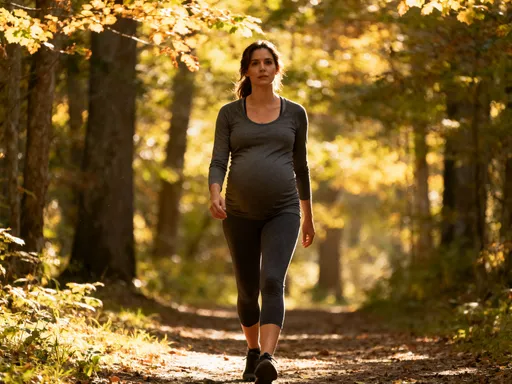
Walking is often the most accessible form of exercise during pregnancy, but when done mindfully, it becomes far more than just a way to get from one place to another. A purposeful walk engages the entire body, improves posture, and enhances cardiovascular health. To maximize its benefits, women can focus on technique, timing, and environment. Starting with posture: standing tall with shoulders relaxed, chest open, and core gently engaged helps align the spine and reduce strain on the lower back. Allowing the arms to swing naturally not only increases coordination but also activates the core and upper body muscles.
Pace matters. A brisk walk — one that raises the heart rate slightly but still allows for conversation — provides optimal cardiovascular stimulation without overexertion. Aim for 20 to 30 minutes most days of the week, ideally in a safe, flat area with minimal traffic. If outdoor walking isn’t possible, a treadmill or indoor mall can serve as excellent alternatives. Timing is also important: many women find morning or early evening walks more comfortable, avoiding the midday heat or post-meal sluggishness.
Footwear plays a crucial role in making walking safe and effective. As the body gains weight and the feet may flatten slightly due to ligament laxity, supportive shoes with good arch support and cushioning help prevent discomfort and injury. Replacing worn-out sneakers and avoiding flat sandals or high heels during exercise is essential. Some women may benefit from orthotics, especially if they experience foot or leg pain.
To add variety and challenge, walking can be adapted with simple modifications. Walking on slight inclines, such as gentle hills or ramps, increases muscle engagement in the glutes and legs. Incorporating short intervals of faster walking followed by recovery periods can improve endurance. For balance training, walking heel-to-toe in a straight line — like a sobriety test — challenges coordination and strengthens stabilizing muscles. These small adjustments transform a routine walk into a comprehensive, full-body activity that supports strength, balance, and mental clarity.
Strength That Supports: Modified Bodyweight Training
Building strength during pregnancy is not about achieving a certain look — it’s about functional resilience. Daily tasks like lifting a car seat, carrying groceries, or getting up from the floor become easier when muscles are strong and coordinated. Bodyweight exercises offer a safe, equipment-free way to maintain and even improve strength throughout pregnancy. The key is modification: using support, reducing range of motion, and focusing on form rather than intensity.
Wall push-ups are an excellent alternative to traditional floor push-ups. By standing at an angle against a wall and lowering the chest toward it, women engage the chest, shoulders, and arms without placing pressure on the abdomen or requiring a prone position. As strength improves, the angle can be made steeper by moving the feet closer to the wall. Seated leg lifts, performed while sitting on a sturdy chair, strengthen the hip flexors and lower abs without strain. Lifting one leg at a time while keeping the back straight helps maintain core stability and leg strength.
Supported squats are another powerful movement. Holding onto a doorframe, countertop, or stable chair allows women to practice the squatting position — a natural and beneficial posture for labor. Lowering slowly into a squat strengthens the glutes, quads, and pelvic floor, while improving hip mobility. Keeping the heels down and chest lifted ensures proper alignment. As the pregnancy progresses, the depth of the squat can be adjusted to maintain comfort and balance.
Other effective exercises include standing rows using a resistance band anchored to a door, which strengthen the upper back and improve posture, and modified planks performed on the knees or against a wall, which build core endurance without compromising abdominal integrity. Each of these movements should be performed with control, focusing on quality over quantity. Two to three sets of 10 to 12 repetitions, done two to three times per week, are sufficient to maintain strength and support daily function.
Flexibility and Balance: Staying Grounded Through Change
As the body changes during pregnancy, maintaining flexibility and balance becomes increasingly important. The growing belly shifts the center of gravity forward, placing additional strain on the lower back and altering posture. Tight hips, stiff shoulders, and reduced ankle mobility can contribute to discomfort and increase the risk of falls. Gentle stretching and stability exercises help counteract these effects, promoting ease of movement and reducing pain.
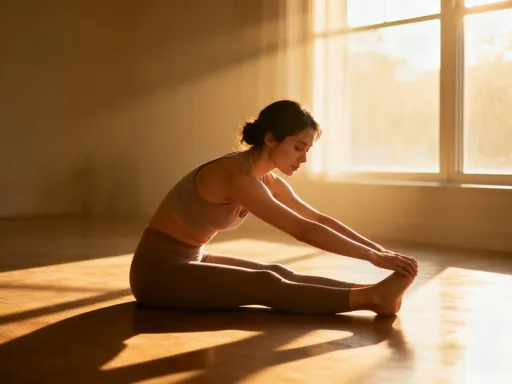
Seated forward bends, performed with legs extended or in a butterfly position, gently stretch the lower back and inner thighs. Leaning forward from the hips — not the waist — and keeping the spine long prevents strain. Pelvic tilts, done on hands and knees or standing against a wall, relieve lower back tension and strengthen the transverse abdominis, the deep core muscle that supports the spine. Performing slow, rhythmic tilts — rocking the pelvis forward and backward — also enhances body awareness and prepares the pelvis for labor.
Standing balance drills, such as lifting one foot slightly off the ground while holding onto a chair, improve stability and confidence. As balance improves, women can try shifting weight from one foot to the other or practicing slow heel-to-toe walks. These exercises not only prevent falls but also build the neuromuscular coordination needed for daily activities and childbirth.
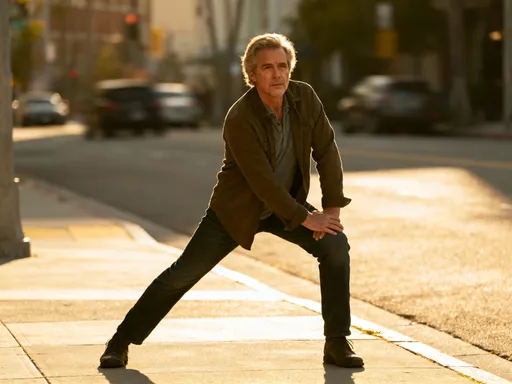
Stretching should always be gentle and never involve bouncing or forcing a movement. Overstretching is a risk due to increased joint laxity from relaxin. Instead, stretches should be held for 20 to 30 seconds with steady breathing, allowing muscles to release naturally. Focusing on major areas like the hips, hamstrings, shoulders, and calves ensures comprehensive support. Incorporating these movements into a daily routine — even for just 10 minutes — can make a significant difference in comfort and mobility.
Building a Routine That Fits Your Life
Consistency is more valuable than intensity when it comes to prenatal exercise. A sustainable routine doesn’t require long sessions or expensive equipment — it simply needs to fit into daily life. The goal is to move regularly in ways that feel good and support well-being. A realistic weekly plan might include 20 to 30 minutes of walking four to five times a week, two short strength sessions of 10 to 15 minutes, and daily stretching or balance work.
Energy levels vary throughout pregnancy, so flexibility is key. Some days, a full walk may feel manageable; on others, a few minutes of seated stretches may be all that’s possible. That’s okay. The important thing is to stay connected to the body and maintain a rhythm of movement. Scheduling exercise at consistent times — such as after breakfast or during a lunch break — helps build habit and reduces decision fatigue.
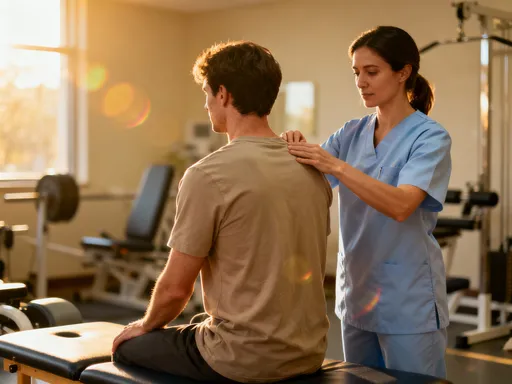
Women should also know when to pause or modify their routine. If experiencing fatigue, dizziness, or pelvic pain, it’s important to rest and reassess. Certain medical conditions, such as placenta previa or cervical insufficiency, may require activity restrictions, and healthcare providers should always be consulted before starting or continuing an exercise program. Prenatal physical therapists or certified prenatal fitness instructors can offer personalized guidance and ensure safety.
Ultimately, the best exercise routine is one that feels sustainable, enjoyable, and supportive. It doesn’t have to look like anyone else’s. Whether it’s a quiet morning stretch, a walk with a friend, or a few minutes of strength work at home, every bit of intentional movement counts. These practices aren’t just for the duration of pregnancy — they lay the groundwork for a smoother recovery and long-term health.
Conclusion
Exercise during pregnancy isn’t about performance — it’s about presence. By choosing safe, intentional movement, women can support their changing bodies and build lasting strength. These techniques aren’t just for nine months; they lay the foundation for recovery and long-term well-being. The best routine is one you can stick with — gentle, consistent, and kind.